Install solar rooftop system with MNRE
Solar Subsidy
MNRE ,under the PM Surya Ghar Yojna, is providing huge subsidy to install solar power plants in your rooftop. Apply now to get solar subsidy.
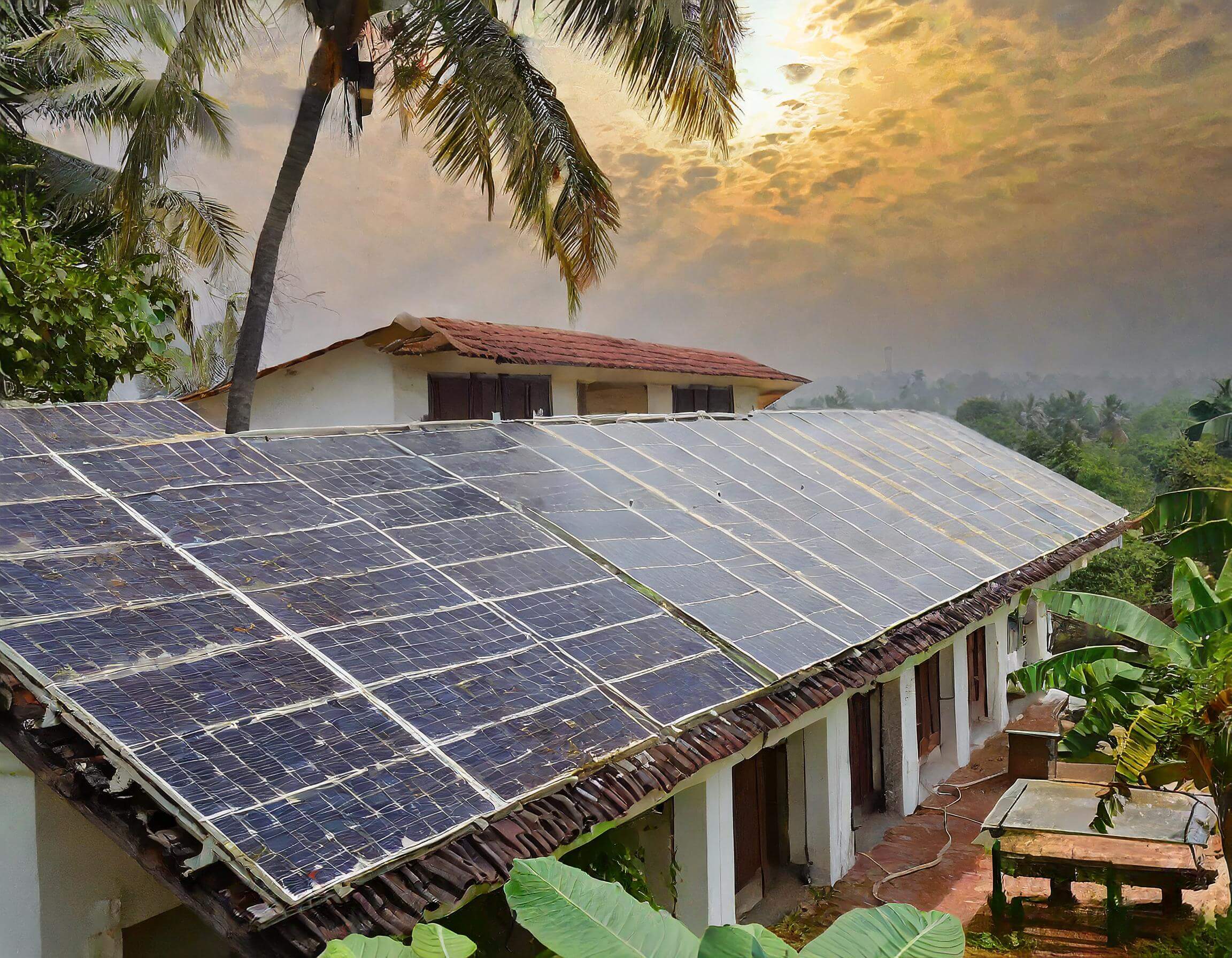
Solar Subsidy from PM Suryaghar Yojna
Understanding MNRE Solar Subsidy in India
In India, solar power has emerged as a promising solution to meet the increasing energy demands while reducing carbon footprints. The Ministry of New and Renewable Energy (MNRE) plays a pivotal role in promoting solar energy adoption through various initiatives, including subsidies. This guide aims to demystify MNRE solar subsidies, eligibility criteria, application process, benefits, and the overall impact on the solar industry in India. Enlead Energy Solutions can help you install and avail solar subsidy.
What is MNRE Solar Subsidy?
MNRE Solar Subsidy refers to financial incentives provided by the Indian government through the Ministry of New and Renewable Energy to encourage the installation of solar power systems. These subsidies aim to make solar energy more affordable for residential consumers, thereby accelerating the transition towards sustainable energy sources.
Eligibility Criteria for MNRE Solar Subsidy
To avail MNRESolar Subsidy, certain eligibility criteria must be met:
Consumer Type: Subsidies are available for residential, institutional, social sector, commercial, industrial, and government sectors.
System Size: Typically, subsidies are applicable to solar photovoltaic (PV) systems ranging from small rooftop installations to large-scale solar farms.
Installation Standards: The solar systems must adhere to MNRE's technical specifications and guidelines for quality assurance.
Types of MNRE Solar Subsidies
1. Central Financial Assistance (CFA): This subsidy is provided directly to consumers or through state nodal agencies to reduce the upfront cost of solar installation.
2. Generation-Based Incentive (GBI): It provides incentives based on the amount of solar energy generated over a specific period, encouraging grid-connected solar projects.
Benefits of MNRE Solar Subsidy
Reduced Carbon Footprint: Solar energy is clean and renewable, significantly reducing greenhouse gas emissions compared to fossil fuels.
Energy Security: Solar power decreases dependency on imported fossil fuels, enhancing energy security for the country.
Economic Benefits
Job Creation: The solar industry generates employment opportunities across manufacturing, installation, and maintenance sectors.
Cost Savings: Subsidies lower the cost of solar power, making it competitive with conventional electricity tariffs over the long term.
Social Benefits
Energy Access: Rural and remote areas gain access to electricity through decentralized solar systems, improving quality of life.
Empowerment: Communities and households can become self-reliant in energy production, leading to socio-economic development.
Conclusion
MNRE Solar Subsidy schemes have played a crucial role in transforming India's energy landscape by promoting sustainable and affordable solar power solutions. As the country aims to achieve its ambitious renewable energy targets, MNRE's continued support through subsidies and incentives will be pivotal. By leveraging solar energy, India can mitigate climate change risks, enhance energy security, and foster inclusive growth across regions.In essence, MNRE Solar Subsidy programs not only benefit individual consumers and businesses but also contribute to national development goals, making solar power a cornerstone of India's energy future.
Conditions to get subsidy to install solar power plant
Shade free rooftop
A shade free rooftop is quintessential to install solar panels. Regions with maximum solar insolation will produce maximum power from solar panels. It is necessary to make the solar power plant profitable.
DCR solar panels
Domestic content requirement(DCR) is one of the specific conditions to avail solar subsidy under mnre or soura subsidy scheme. DCR solar panels are the modules with components manufactured in India. Solar cells used to manufacture solar modules are also produced in India.
No other solar subsidy
Consumer must not have availed subsidy for solar under any other scheme from government, be it central or state government.
Valid Connection
Consumer must have a valid electricity connection to avail the subsidy. Feasibilty to install solar power plant may be given based on the connected load mentioned in the bill and the transformer capacity.
PM Surya Ghar Yojna.
Get MNRE Solar Subsidy. More
beneficial now
The Ministry of New and Renewable Energy (MNRE) offers subsidies to promote renewable energy projects in India, with one of the key initiatives being the PM Surya Ghar Muft Bijli Yojana. This scheme provides financial support for the installation of rooftop solar panels in residential homes. Interested individuals can register and apply for subsidies through the National Portal for Rooftop Solar.

MNRE Solar Subsidy
Applications for the MNRE solar subsidy can be made through the official National Portal for Rooftop Solar , where consumers can register, track their application, and receive subsidy disbursal updates. This initiative aims to make clean, affordable electricity accessible to households while supporting India’s renewable energy goals.
What is mnre solar subsidy?
An MNRE subsidy is a government subsidy for installing solar energy systems in India, provided by the Ministry of New and Renewable Energy (MNRE). These subsidies, such as those under the PM-KUSUM Yojana for off-grid pumps and the PM Surya Ghar Muft Bijli Yojana for residential rooftop solar systems, reduce the initial cost of installation. The subsidy amount varies by scheme and system capacity, and it is often transferred directly to the beneficiary's bank account after installation of the solar systems.
How to apply for solar subsidy?
1. Apply for the subsidy through the official National Portal for Rooftop Solar.
2. Get the installation completed by a registered vendor.
3. Submit the application, along with the necessary documents, to the relevant authorities for approval.
Who is eligible for suryaghar subsidy?
The household must be an Indian citizen. The household must own a house with a roof that is suitable for installing solar panels. The household must have a valid electricity connection. The household must not have availed any other subsidy for solar panels.
What is the maximum solar subsidy
The maximum central government subsidy for rooftop solar in India under the PM-Surya Ghar: Muft Bijli Yojana is ₹78,000 for a system up to 3 kW, with a total subsidy for larger systems up to 10 kW being ₹78,000. This subsidy can be combined with additional state-level subsidies, potentially increasing the total amount, and is available for residential rooftop solar systems.
Central government subsidy (PM-Surya Ghar: Muft Bijli Yojana)
For 1–2 kW: ₹30,000 to ₹60,000
For 2–3 kW: ₹60,000 to ₹78,000
For systems above 3 kW: The subsidy is capped at ₹78,000 Rupees Seventy Eight Thousand for systems up to 10 kW.
Additional state and loan benefits
State subsidies: Some state governments offer additional subsidies on top of the central government's contribution.
Loans: The scheme also provides access to collateral-free, low-interest loans (around 7%) for installing systems up to 3 kW.
What is the cost of 3KW Solar power plant under Suryaghar Yojna?
The total subsidy for a 3kW solar system under the PM Surya Ghar Yojana is ₹78,000. The upfront cost for a 3kW solar system varies by vendor and location, but after subtracting the subsidy, the net price can range from approximately ₹1.40 lakh to ₹1.75 lakh, depending on the total installation cost.
Subsidy and price breakdown
Total Subsidy: ₹78,000 for a 3kW system.
Subsidy per kW: The subsidy is calculated as ₹30,000 for the first 2kW and ₹18,000 for each additional kW up to 3kW (₹30,000 + ₹18,000 + ₹30,000 = ₹78,000), according to National Portal for Rooftop Solar.
Estimated Price after Subsidy: The final cost to the consumer after the subsidy is deducted from the total installation cost can range from about ₹1.35 lakh to ₹1.75 lakh. For example, if a 3kW system costs ₹2.35 lakh, the net cost after subsidy would be around ₹1.57 lakh.
Total Initial Cost: The upfront cost before subsidy varies but can be in the range of approximately ₹2.1 lakh to ₹2.5 lakh.

info@enleadenergy.com
Copyrights @ 2024 Enlead Energy |
All Rights Reserved